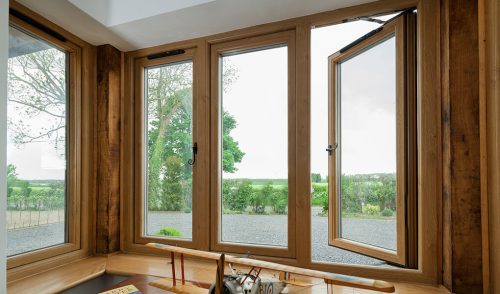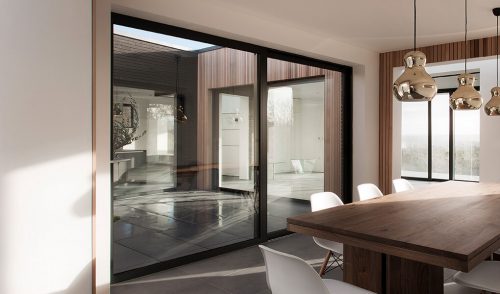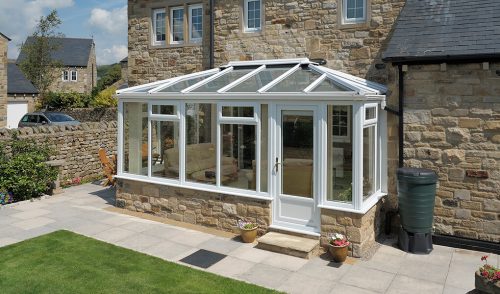
uPVC windows vs aluminium is a question we receive on a regular basis, and truthfully you can’t really go wrong with either. The right option for you will depend almost entirely on your own priorities, preferences and budget.
When analysing the differences between the UK’s two favourite window frame materials, uPVC is a type of plastic that’s affordable because it can be mass-produced. That’s not to say that it lacks in quality; however, far from it. It often leads the market in thermal performance and keeping bills down, whilst having several more colours available than just the white that it’s synonymous with.
Aluminium, on the other hand, is a metal that offers you different perks than uPVC. It does usually come in at a slightly higher price point but is strong and tends to last a little longer. Aluminium is also very recyclable, and because it’s so durable, the frames can be slimmer. As well as looking modern, this also allows a little more space for glass, which in turn lets more natural light flow into your property.
We’ve put this article together to explore the two in a little more detail, hopefully helping you arrive at an informed decision. At Premier Windows, we install both uPVC and aluminium windows across the Home Counties from our Aylesbury base, in a range of popular opening styles including casement, flush sash and sliding sash. With thermal performance prioritised across our range, we also offer quotes with no obligation to proceed!

Introducing uPVC windows
uPVC (unplasticised polyvinyl chloride) is a rigid, durable form of plastic. It arrived in British homes en masse during the 1980s and is now the UK’s most popular frame material for windows and doors. It’s popular for a few reasons, notably:
- Thermal efficiency that keeps heating bills down
- Affordability because it can be produced at scale
- Multi-chambered frames that give it a sturdy feel
- Minimal maintenance. uPVC frames are easy to clean with a damp cloth
Introducing aluminium windows
Being a metal, aluminium is naturally very strong. As a result, it’s commonly found holding together the facades of commercial buildings, supporting sweeping walls of glass. Metal is a natural conductor of heat, and in the early 2000s especially, people avoided using aluminium as a window frame material largely because it did little to keep the cold out in winter. Now however, that has changed. Modern aluminium windows use thermal break technology, which is an insulating strip inside the frame, working to prevent heat transfer. This thermal break stops heat escaping when required in the winter, and is also beneficial in the summer. Here are a few reasons why aluminium is so loved as a modern window frame material:
- Slim sightlines and more natural light
- Strength for large windows
- A long lifespan with excellent resistance to rust
- Recyclability: the International Aluminium Institute estimates 74.5% of all aluminium produced since 1888 is still in use. Around 150 years of productivity, reducing the need to produce yet more resources.

uPVC windows vs aluminium: head-to-head
Here’s a look at popular homeowner priorities for their windows and how the two compare:
Cost
uPVC
The most affordable window frame material, but because it can be mass-produced rather than a compromise in quality. Great if you want a replacement window that does the job for as little as possible.
Aluminium
A higher cost upfront, reflecting the added material value and time taken to construct. Whilst it can be around 30% more expensive than uPVC, aluminium does typically have a longer lifespan so in the eyes of many, it’s worth the extra upfront cost.
Thermal performance
uPVC
A natural insulator. Some styles achieve an A++ Window Energy Rating, and Residence 9 (a collection of uPVC windows designed to replicate the aesthetic of timber) can meet the ultra-low-energy Passivhaus standard.
Aluminium
Polyamide thermal breaks achieve competitive energy efficiency. Whist it’s not quite up to the standards of uPVC, the gap has narrowed so much that any difference is minimal and hard to notice. You won’t need to worry about temperature swings or spikes in energy bills with modern aluminium.
Look and sightlines
uPVC
19 colours in smooth or woodgrain effects, plus Residence 9’s convincing timber replica.
Aluminium
Ultra-slim frames, clean lines and over 200 RAL colours give a contemporary look and real design flexibility.
Strength and lifespan
uPVC
Robust and low maintenance. Typically lasts around 20-25 years, so it’s truly a once-in-a-generation purchase.
Aluminium
Inherent strength supports larger windows, while powder-coated frames resist rust. Aluminium windows usually outlast uPVC, and should you invest, you can be confident that your aluminium windows will still be performing in 40 years’ time. Spread the additional upfront cost over the added expected lifespan, and aluminium makes sense for many.
Sustainability
uPVC
Warmer homes need less heating, reducing energy use year after year. uPVC helps your home remain cosy by trapping heat inside through its multi-chambered design.
Aluminium
Recyclable again and again without losing quality.
Property type and styles
uPVC
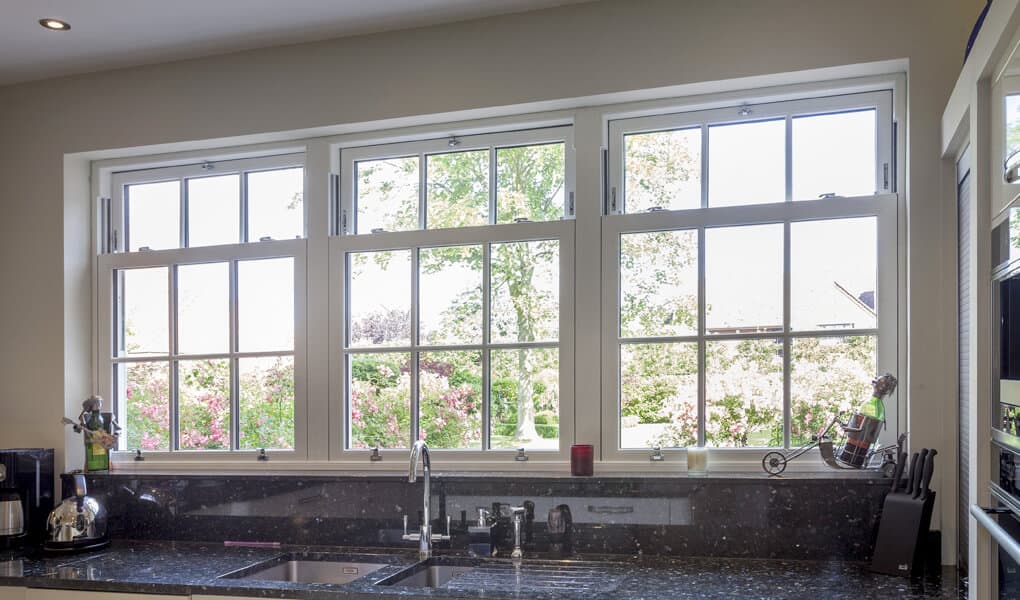
A popular choice for period homes and cottages, particularly those that want their windows to look traditional/blend with a conservation area. This is best achieved with a wood-effect finish, or the Residence Collection, which has colours such as English Oak, Irish Oak, Silvered Oak and Cotswold Green. Typically available in a broader range of styles, including vertical sliding windows.
Aluminium
An ideal choice for modern properties and new builds, offered as casement windows, flush sash windows and tilt and turn. If you want your interior to have plenty of healthy natural light, aluminium is also the clear pick. Available in any RAL colour (200+), so if you’re looking for something particular to match your front door, for instance, aluminium wins.
So, which is the clear winner?
There isn’t a single clear winner. uPVC is the best choice for a lower upfront cost, insulation and traditional character. Aluminium is the better choice for slim frames, larger windows and a contemporary look. Your home style, budget and priorities will point you to the right choice.
| Factor | uPVC | Aluminium |
| Cost | Lower initial investment | Higher cost, long-term value |
| Thermal performance | Best in class | Good, not far behind |
| Look | Woodgrain and timber-style | Slim profiles, 200+ RAL colours |
| Lifespan | Typically 20-25 years | 30 to 45 years |
| Sustainability | Energy-saving insulation | Endlessly recyclable |
| Best for | Period and family homes | Modern homes and new builds |
Choose uPVC if…
uPVC is the right choice if:
- You want quality uPVC on a lower budget
- You love woodgrain effects or the look of timber
- You live in a period property or conservation area
- Lower energy bills are a priority
Choose aluminium if…
Aluminium is the right choice if:
- You want slimmer frames and more natural light
- You’re planning larger windows
- Strength and recyclability matter to you
- You’d like a custom RAL colour
uPVC windows from Premier Windows
Our uPVC windows are made by Emplas, known for high quality and quick turnaround times. Choose from casement, flush sash, vertical sliding, Residence 9 and tilt and turn styles in several colours. Residence 9 has its own 16-colour heritage palette, dual-colour options and traditional monkey-tail or pear-drop handles. It’s regularly approved in conservation areas.

Aluminium windows from Premier Windows
Our aluminium casement, flush sash and tilt and turn windows come in over 200 RAL colours.
Every window is available with Planitherm double glazing or triple glazing. Comfort Plus glass gives up to 20% better sound insulation.
Frequently asked questions
Do aluminium windows cost more than uPVC?
Generally, yes. Aluminium usually needs a higher initial investment. Many homeowners feel its slim profiles and long lifespan pay off.
Which lasts longer, uPVC or aluminium?
Aluminium frames typically last 30 years or more, sometimes up to 45. Quality uPVC windows are also built to give decades of dependable service.
Can I have triple glazing in uPVC and aluminium frames?
Yes. We offer double and triple glazing in each material using Planitherm glass, with upgrades for extra warmth and quieter rooms.
Why trust Premier Windows for glazing replacements in the Home Counties?
With over 30 years of experience and thousands of installations across Buckinghamshire and the Home Counties, our reputation for customer service speaks for itself. Alongside windows, we install uPVC, aluminium and composite doors, including bifold doors, plus orangeries, porches and conservatory roofs.
- Which? Trusted Trader, DGCOS and Secured by Design accredited
- A 10-year insurance-backed guarantee and dedicated aftercare
- A strict no-pressure, no-obligation policy
Come and see the difference
Visit our showroom just off the A41 in Aylesbury (Monday to Friday 9am-5pm, Saturday 10am-1pm). Alternatively, upload a photo with measurements for a quote, call 01296 422 842 or email enquiries@premwindowsanddoors.co.uk. We’ll help you find the right windows for your home.

Get a free quote
If you're interested in any of products then get in touch with us to get your free quote today.
Book an appointment
If you would like to discuss our incredible range of products, then book an appointment today.