Living near a busy road, railway line, or noisy street can impact you on a daily basis.
Whether you’re regularly getting awoken by drunken revellers on a Saturday night, having your morning read interrupted by a train storming past, or trying to join a work call with sirens blaring outside, external noise can affect you at any moment.
For most, there becomes a point when enough is enough, but knowing how to stop the disturbances is another matter entirely.
Triple glazing is often touted as the best bet. Truth be told, the impact of triple glazing depends largely on its quality and the type of glass, but if done right, it can certainly outperform standard double glazing when it comes to sound insulation. We’ll explore the best options for you below.
How effective is triple glazing in reducing noise?
Triple glazing consists of three panes of glass separated by insulating cavities, usually filled with argon or krypton gas. Compared with single or standard double glazing, the additional pane of glass and extra air gap create a stronger barrier against sound waves, helping to reduce the amount of noise that enters your home.
That said, performance depends on quality. Poorly manufactured triple glazing that relies on slim panes of glass can sometimes be outperformed by well-made double glazing with thicker glass, so specification really does matter. But assuming we’re talking proper triple glazing, like that offered by Premier Windows, here’s an explanation:
- Extra layer of glass: The third pane increases the thickness of the glazing, improving sound insulation.
- Varied glass thickness: Different thicknesses of glass panes help dampen a wider range of sound vibrations.
- Wider cavities: Air or inert gas gaps between panes reduce sound transmission and resonance.
Overall, homeowners often notice a significant reduction in noise levels, especially in environments with constant traffic or frequent disturbances. While double glazing does provide basic noise reduction, standard triple glazing can offer around 20–30% better noise insulation, making it an excellent option for busy locations.
Triple glazing noise reduction: How does it work?
The science behind triple glazing noise reduction is straightforward: each layer of glass and the space between them work together to absorb, reflect, and dissipate sound vibrations.
- Three layers of glass rather than two increase resistance to sound waves.
- Argon-filled cavities reduce heat loss and provide additional damping for sound vibrations.
- Glass thickness variation helps tackle different types of noise frequencies.
- Frame quality and airtight seals ensure minimal sound escapes through gaps.
- Special coatings, like those in Planitherm Comfort and Comfort Plus, can further improve acoustic performance.
Which sound frequencies does triple glazing tackle best?
Triple glazing is particularly effective against higher-frequency, repetitive sounds, such as:
- Traffic and motorway noise
- Trains and rail vibrations
- Aircraft passing overhead
- Construction and urban noise
It is less effective against very low-frequency noises, such as deep bass from heavy machinery or subwoofers. In these cases, where you may have a neighbour who loves playing music on full volume, acoustic glazing or additional soundproofing measures may be more suitable.
Is triple glazing worth it compared to double glazing?
Triple glazing does usually come at a higher cost than standard double glazing, but it offers improvements in both sound insulation and energy efficiency, provided you’re choosing the right installer.
For those who don’t require a full triple-glass setup, Planitherm Comfort and Comfort Plus offer excellent alternatives:
- Planitherm Comfort: Harder to break than normal glazing, reduces heat loss, and provides up to 20% better noise reduction than standard double glazing.
- Planitherm Comfort Plus: Adds an extra layer of protection, improves sound reduction further, blocks harmful UV rays, and retains heat, making it ideal for south or west-facing rooms.
These options give homeowners peace of mind and a quieter indoor environment without needing to install full triple glazing in every room.

What are the other benefits of triple glazing?
As well as noise reduction, triple glazing can offer numerous other benefits for your home.
- Improved thermal efficiency, helping reduce heating costs and maintain a consistent indoor temperature.
- Better security, thanks to thicker glass panes and reinforced coatings.
- Reduced solar gain and UV damage, protecting furniture and flooring from fading.
- Possible replacement in existing window frames, reducing disruption and cost.
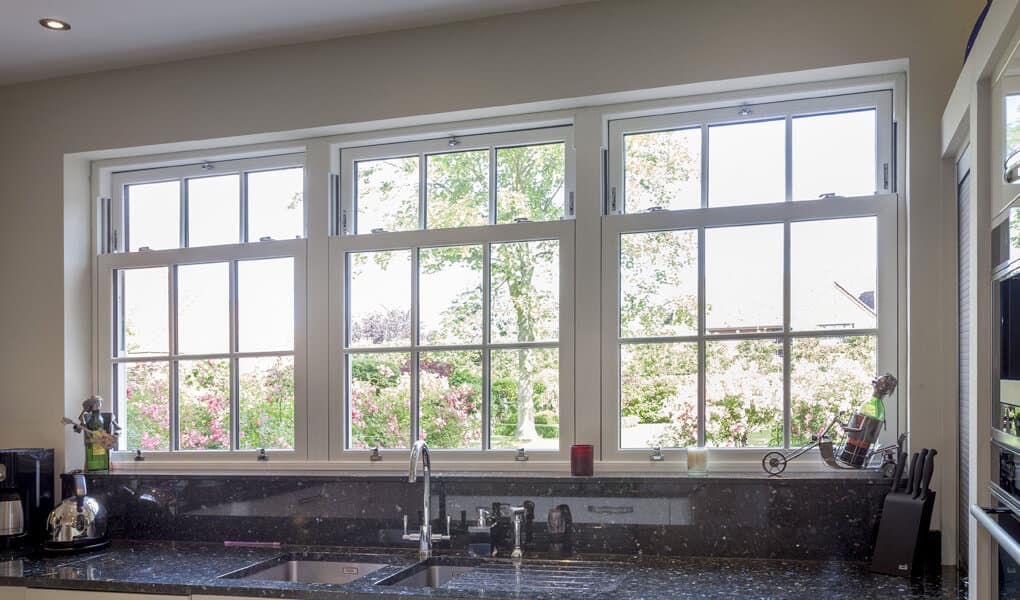
- Can be fitted in a variety of window styles, including casement windows, sliding sash windows, flush sash windows and tilt-and-turn designs.
While triple glazing doesn’t solve every type of noise, it can make a noticeable difference to your home’s comfort and your quality of life.
Who are Premier Windows?
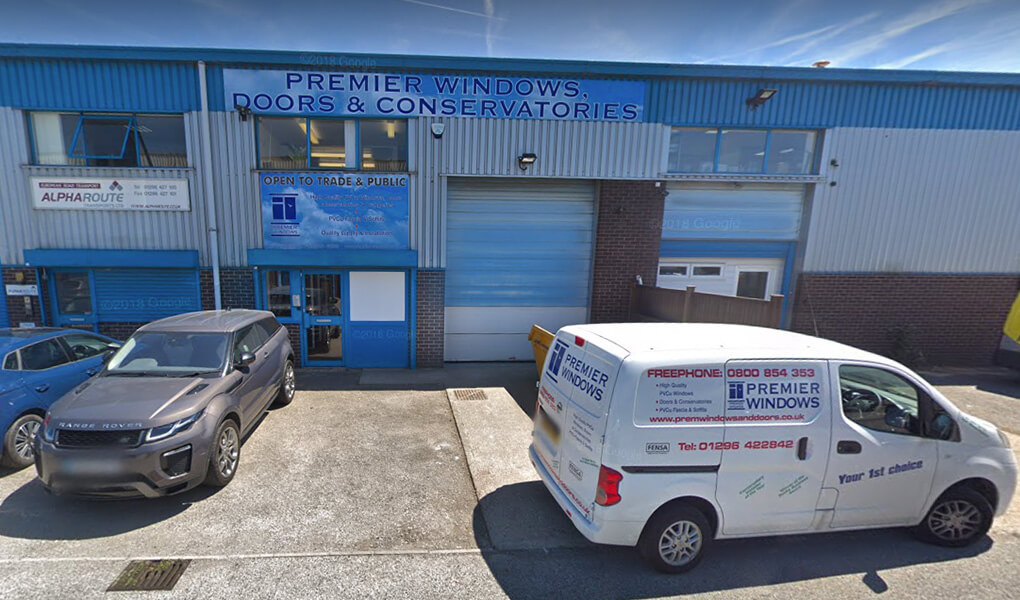
At Premier Windows, we’ve been providing homeowners across Buckinghamshire and beyond with high-quality windows, doors, and conservatories for over 30 years. Based in Aylesbury, we’re proud of our reputation for customer service, expertise, and a no-pressure approach.
Our offerings include:
- Windows: Casement, tilt and turn, flush sash, vertical sliding, and Residence 9 styles in uPVC or aluminium.
- Doors: Internal heritage, aluminium entrance, uPVC entrance, bifold, French, and patio doors.
- Glazing: Double and triple glazing with Planitherm, Comfort, and Comfort Plus options.
- Extensions: Orangeries, porches, glass and solid conservatory roofs.
We’re accredited by Which? Trusted Trader, and every installation comes with a 10-year insurance-backed guarantee plus dedicated aftercare. Visit our showroom off the A41 to see our products in action, or contact us on 01296 422 842 or enquiries@premwindowsanddoors.co.uk.
FAQs
Can triple glazing completely block out traffic noise?
No, but it can reduce noise by around 20–30%, especially higher-frequency sounds, creating a notably quieter home environment.
Is triple glazing suitable for all window frames?
Most modern frames can accommodate triple glazing, but we can advise if your existing frames are suitable for replacement glazing.
Does triple glazing improve energy efficiency?
Yes. Triple glazing reduces heat loss, which can lower heating costs and maintain a cosy indoor temperature.
Will it help with low-frequency noises like trains?
It helps to a degree, but acoustic glazing may be needed for very low-frequency disturbances.
Can Planitherm Comfort Plus glazing be used instead of triple glazing?
Yes, it offers better noise reduction than standard double glazing without a full triple-pane window.
Key findings
- Triple glazing reduces noise by approximately 20–30% more than standard double glazing.
- It is most effective against higher-frequency sounds from traffic, trains, and aircraft.
- Planitherm Comfort and Comfort Plus offer improved sound reduction without full triple glazing.
- Additional benefits include thermal efficiency, security, and UV protection.
- Premier Windows provide professional installations, a 10-year guarantee, and expert guidance on all window and door solutions.
Get a free quote
If you're interested in any of products then get in touch with us to get your free quote today.
Book an appointment
If you would like to discuss our incredible range of products, then book an appointment today.