When you start researching replacement windows, you quickly run into a wall of technical jargon. Between acronyms, energy ratings, and glazing options, it can be hard to actually figure out which products will achieve the goal of lowering energy bills and improving overall indoor comfort.
Amongst all of the technical specifications you’re likely to see, the one that we receive the most questions about is U-Values. That’s because it’s the metric that matters most when it comes to thermal efficiency, but it’s also arguably the most confusing on paper.
That’s why we’ve put this article together, to explain how U-Values for windows actually work, whilst giving our advice on the market’s leading options. At Premier Windows, we’ve been installing leading windows across Aylesbury and the wider Buckinghamshire area for upwards of 30 years, so have a good understanding of market trends, and thermal performance is certainly something to prioritise in any installation.
Decoding the Technical Jargon: What is a U-Value?
In simple terms, a U-value measures thermal transmittance. It tells you how effective a material is at preventing heat from transferring between either side of a window frame, the indoors and outdoors.
Specifically, it calculates the rate of heat transfer through a window frame and glass panes. It measures how much heat energy passes through each square metre of the window for every single degree of temperature difference between the warm inside of your home and the cold air outside.
The most important rule to remember is simple: the lower the U-value, the better the insulation. A high number means heat escapes quickly; a low number means the window is better at regulating your indoor temperature.
Setting the Benchmark: What Figures Should You Target?
Window performance has improved dramatically over the last few decades. To understand what counts as a good number today, it helps to look at current standards:
- The Absolute Minimum: Building regulations in the UK set strict legally binding targets for replacement windows. Any new window installed in an existing dwelling must achieve a maximum U-value of 1.4 W/m²K.
- The Modern Standard: High-quality modern double glazing typically achieves scores between 1.2 and 1.4 W/m²K, representing a significant upgrade over older glazing systems.
- The Premium Target: Highly advanced triple glazing can drive these figures down even further, often reaching between 0.8 and 1.0 W/m²K. For context, ultra-strict passive house building standards usually require window systems to hit 0.8 W/m²K or lower.
If your current windows were installed in the 1990s or early 2000s, they could easily have a U-value of 2.0 W/m²K or worse, meaning they are actively contributing to significant heat loss.
How different frame materials stack up
Wood (Timber): The Best Natural Insulator
Wood has a very low thermal conductivity, meaning it naturally blocks heat from escaping or entering your home.
- Thermal Performance: Exceptional. High-quality timber frames effortlessly achieve low U-values (around 1.2to 1.4W/m2K).
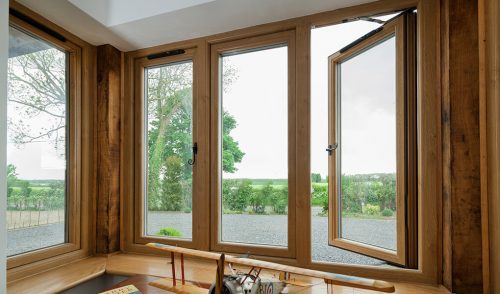
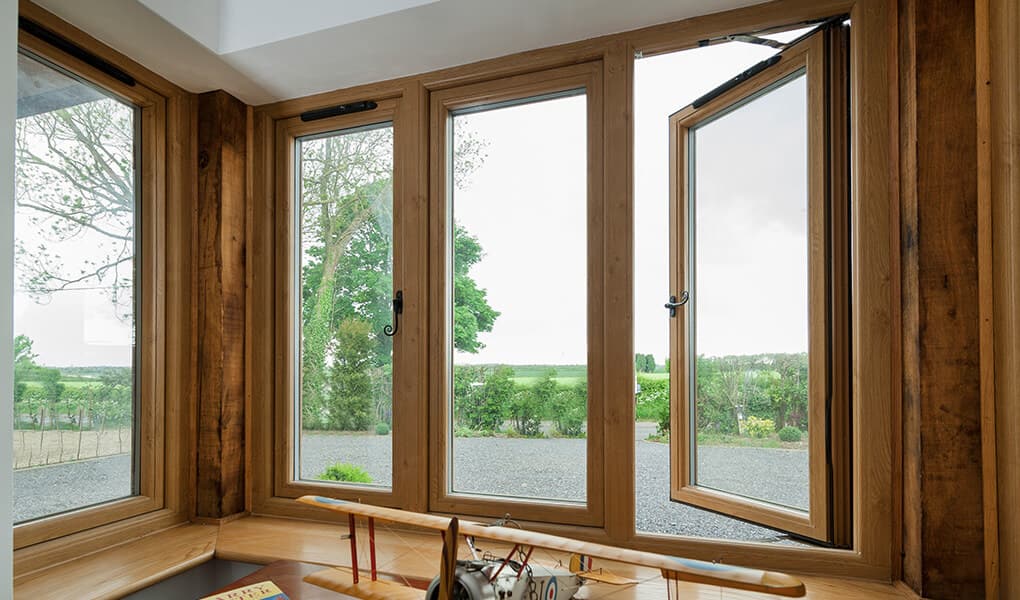
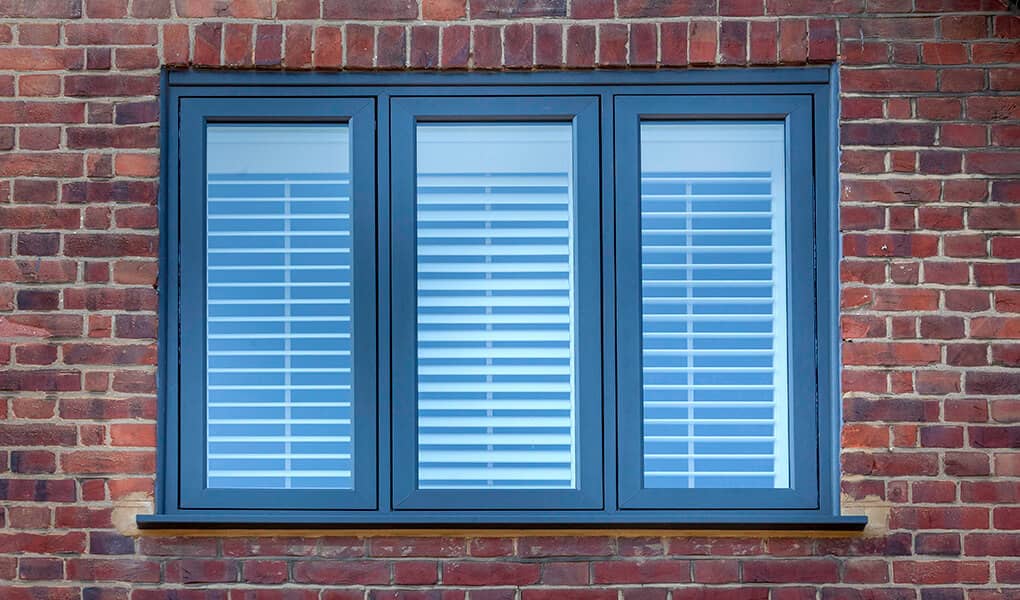
Although whilst the performance of wooden windows is good, we wouldn’t recommend it. This is because, as beautiful as it may look, it requires a load of maintenance and can often fall foul of insect damage, and change shape with the seasons. Instead, the Residence Collection is made using durable uPVC, but the finish replicates the look of timber.
uPVC: The Most Cost-Effective Insulator
uPVC is a naturally non-conductive synthetic material. Modern uPVC windows are engineered with multiple internal chambers that trap pockets of air, creating a highly effective barrier against heat loss.
- Thermal Performance: Excellent. Like wood, it routinely achieves U-values of 1.2W/m2K or lower, especially when paired with triple glazing. It is also far more durable than wood, and affordable.
Aluminium: Much Improved
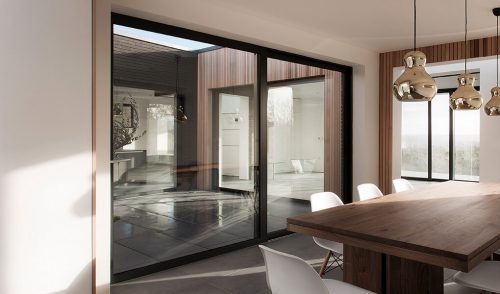
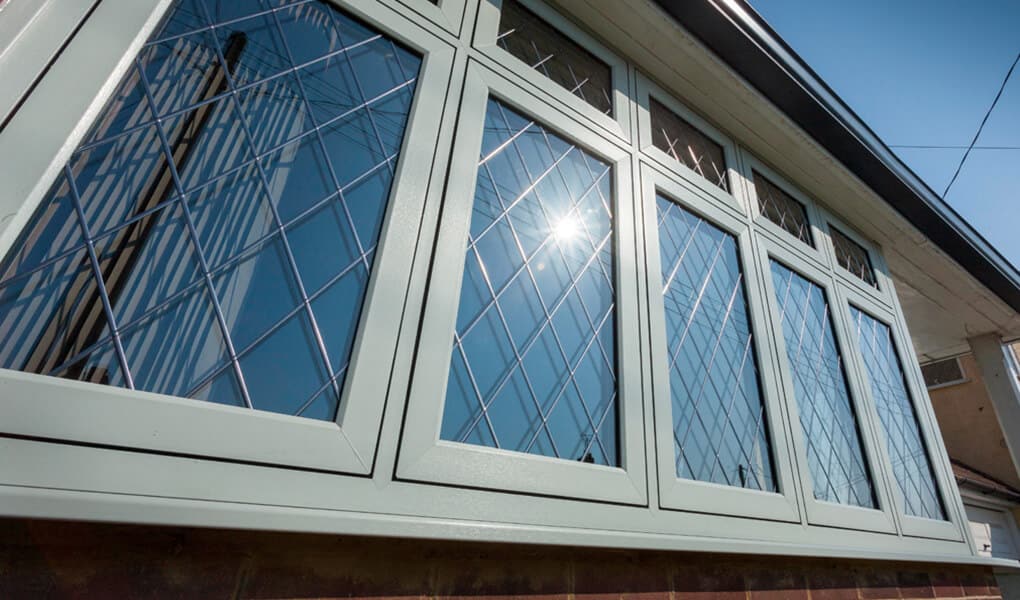
Historically, aluminium was seen as a bad choice if thermal performance was your priority. However, all of that has changed in recent times, a shift which has coincided with the material’s current standing as the UK’s fastest-growing window frame material.
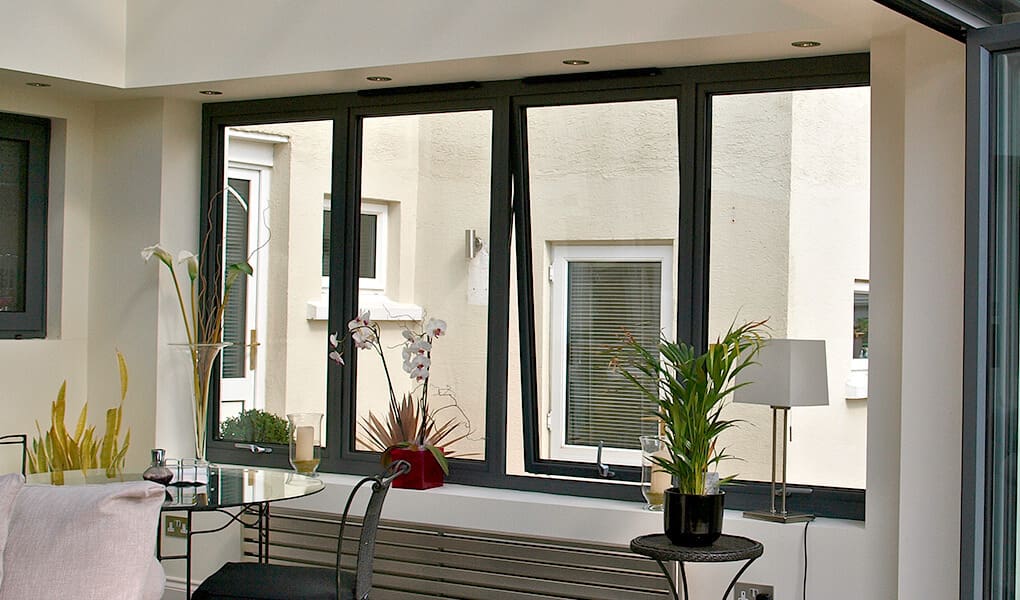
That’s because modern aluminium windows feature a thermal break (a structural polyamide barrier placed inside the frame that stops heat from crossing over). Nowadays, aluminium is competitive with any window for thermal performance, and has several unique advantages.
- Thermal Performance: Good to Very Good. With advanced thermal breaks, they can match uPVC and wood (hitting 1.2W/m2K), with al three reducing draughts as well as offering better insulation.
Financial Rewards: How Lower Numbers Shrink Energy Bills
Investing in new windows that excel at energy efficiency directly impacts your household finances. When your windows suffer from high heat transfer, your central heating has to work constantly to replace the escaping warmth.
Installing windows with low U-values helps slow this process right down. By retaining your indoor heat, your home stays at a steady, comfortable temperature for longer. This reduction in energy consumption means your boiler fires up less often, which is one of the key factors in lowering your monthly energy bills.
It would be understandable if you’re reading the above and thinking that it sounds all well and good in the winter, but what about the summer, as who wants their windows to trap warmth during intense heatwaves like the ones we’ve experienced this year? The good news is that it actually works both ways. In the summer, the reduction of heat transfer means that less unwelcome humidity enters your home in the first place, making it feel notably cooler.
Whilst financial benefits and energy savings are important, equally as significant is the environmental impact that thermally efficient windows have. By using less artificial heating and using less energy, naturally improving the efficiency of your home actually reduces your carbon footprint too, which is great from a sustainability standpoint.
Choosing Wisely: Finding the Perfect Fit in Aylesbury
At Premier Windows, we offer a comprehensive range of energy efficient windows designed to suit every property type and budget across Buckinghamshire.
When you choose from our range of modern double glazing or opt for the ultimate protection of triple glazing, you are investing in expertly engineered frames and advanced glass technology. Our multi-chambered window frames trap pockets of air, while specialised low-emissivity coatings on the glass reflect heat back into your rooms.
We do not believe in high-pressure sales pitches or overly complex technical talk. Our team focuses on matching you with the right products, ensuring your new installation comfortably outperforms current building regulations while complementing the architectural style of your home.
Talk to the Buckinghamshire Experts Today
Upgrading your home is a big decision, and getting the technical details right ensures your investment pays off for decades to come. With over three decades of local experience, Premier Windows is here to guide you toward the smartest choices for your property.
Get in touch with our friendly, knowledgeable team to discuss your plans or request a transparent quotation:
- Call Our Office: 01296 422 842
- Email Us: enquiries@premwindowsanddoors.co.uk
- See Our Range: Visit our showroom to inspect our window designs in person.
Connect Online: Fill out our quick Online Contact Form to get your project started