Like with any major purchase in 2026, when it comes to choosing replacement windows, the one thing that you aren’t short of is choice.
The most popular material for window frames is uPVC, a synthetic material that is also used to make doors, lauded for its elite energy efficiency, various colours and finishes, durability and cost-effectiveness.
You’d certainly be wise to pick it for any new window project, as in the long-run you’ll likely enjoy lower energy bills, and a new look for your home.
We know it can seem overwhelming, as there is a wide range of uPVC window styles to choose from, so we’ve narrowed down the leading options in this blog.
We’ve been installing these products in Buckinghamshire for upwards of 30 years, and this range is tailored to the demands of our county.
Exploring the Options: Five Distinct Profiles
Every window style alters how you use a room, how air flows through your home, and how much natural light enters the space. Here are the various styles we recommend for any home. All of these are available in a beautiful range of colours.
-
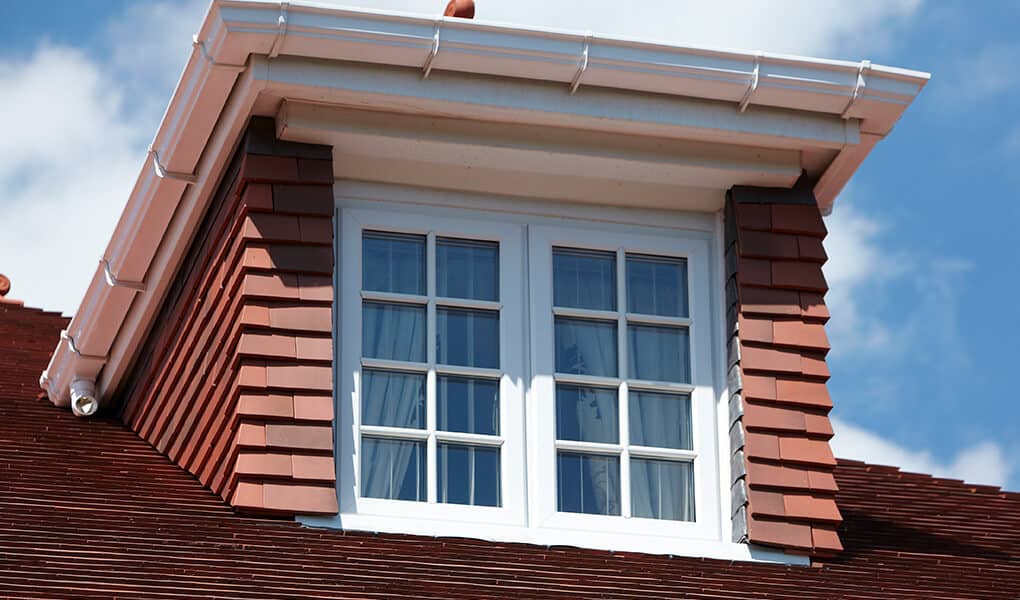
The Classic Casement uPVC Window
As the most popular choice in the UK, uPVC traditional casement windows are attached to their window frame by one or more hinges at the side, top, or bottom.
They open outwards fully (although you can choose for them to open inwards if you’d prefer), offering unobstructed panoramic views of the outdoors and allowing maximum ventilation control.
-
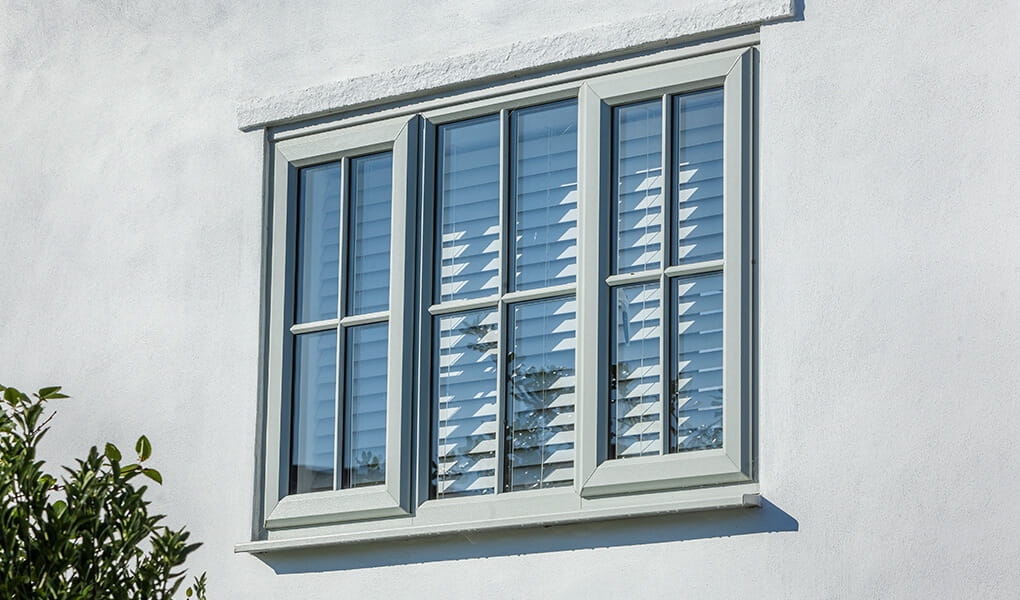
Practical Tilt and Turn Windows
Tilt and turn windows feature a clever dual-action hinge mechanism. Turning the handle 90 degrees allows the window to tilt inwards from the top for secure, weather-resistant ventilation.
This is also great for peace of mind if you have young children. Turning the handle 180 degrees allows the sash to open fully inwards from the side, making for incredibly easy cleaning from safely inside the room.
-
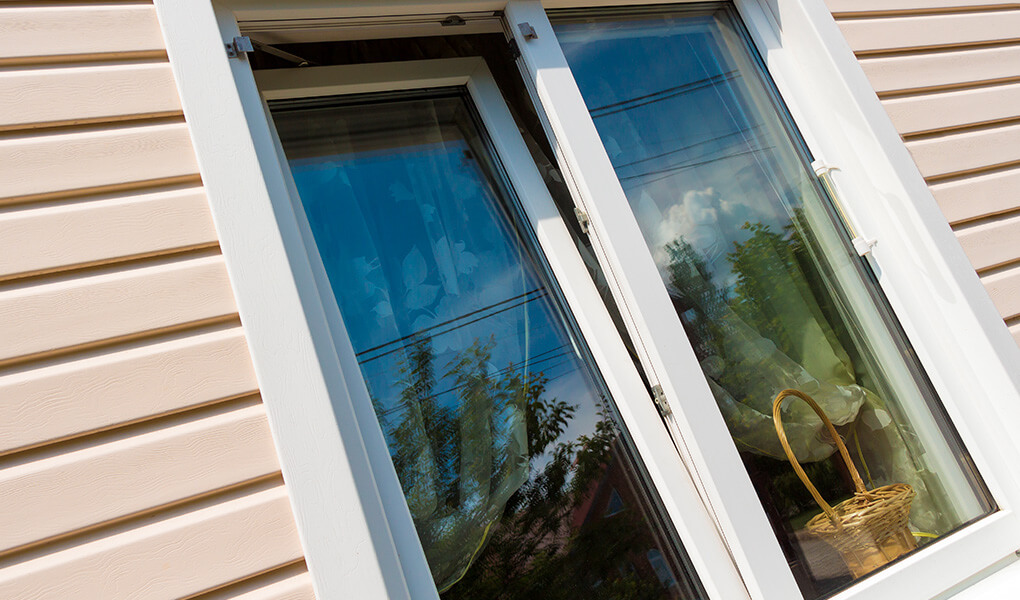
Elegant Vertical Sliding Windows
Replicating traditional 19th-century timber joinery, uPVC sash windows (sliding windows), feature two glass panels that slide vertically past each other.
Modern uPVC versions include modern spring balances instead of old, heavy weights, ensuring a smooth, effortless operation while eliminating the classic rattles and draughts associated with older single glazing.
-
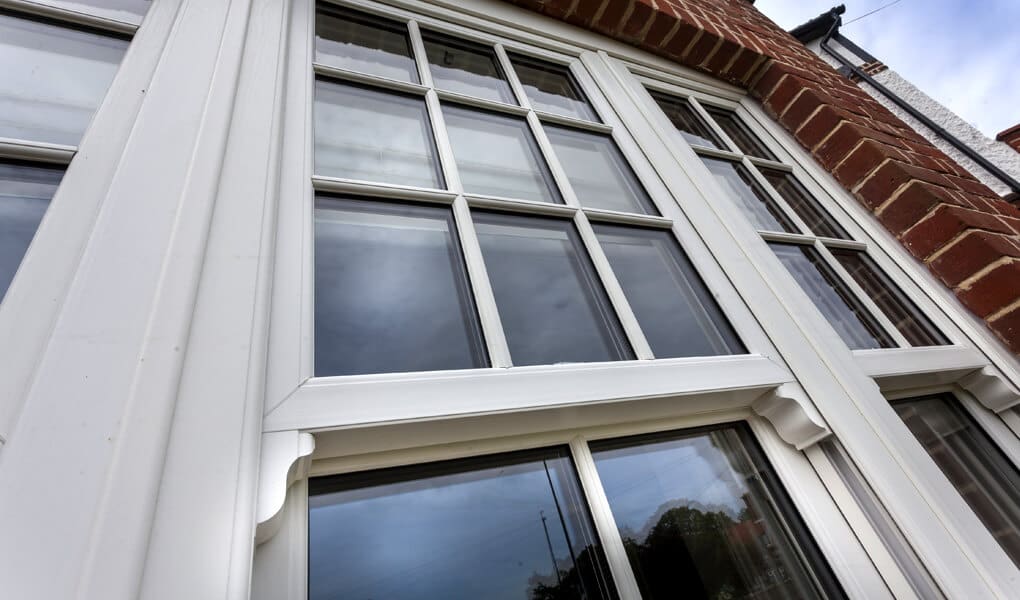
Sleek Flush Casement Designs
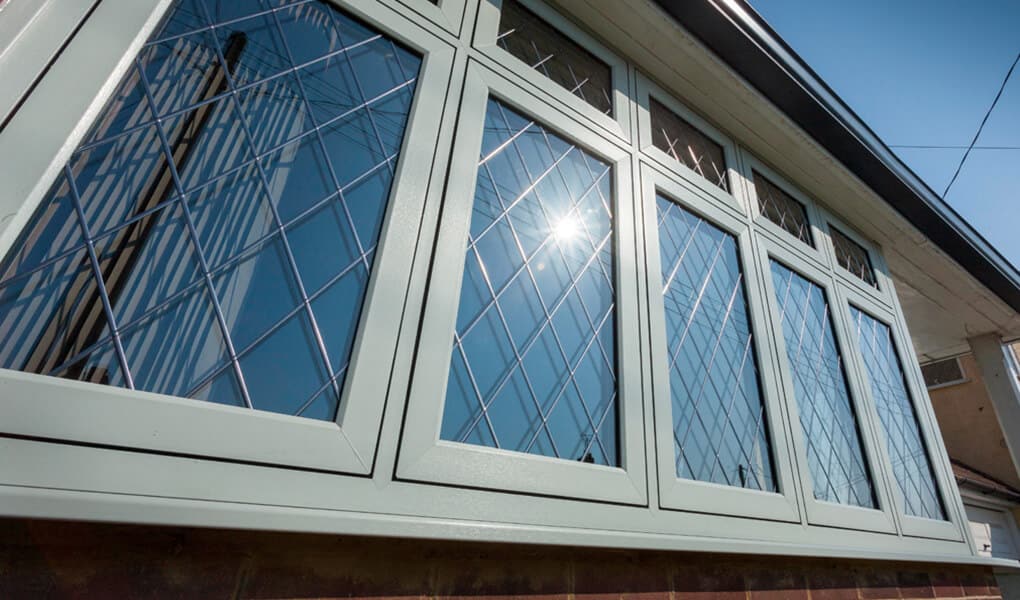
Flush casement windows are designed so that the opening window sash sits completely level with the external window frame when closed.
This creates clean, minimalist lines that beautifully mirror traditional timber cottage windows or sleek, ultra-modern architecture.
-
The Beautiful Residence Collection
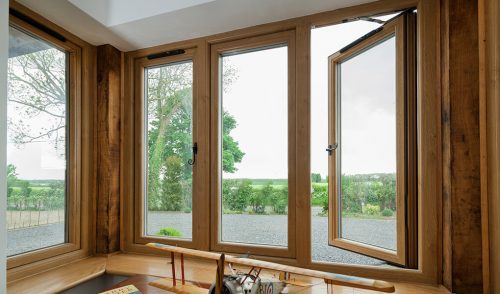
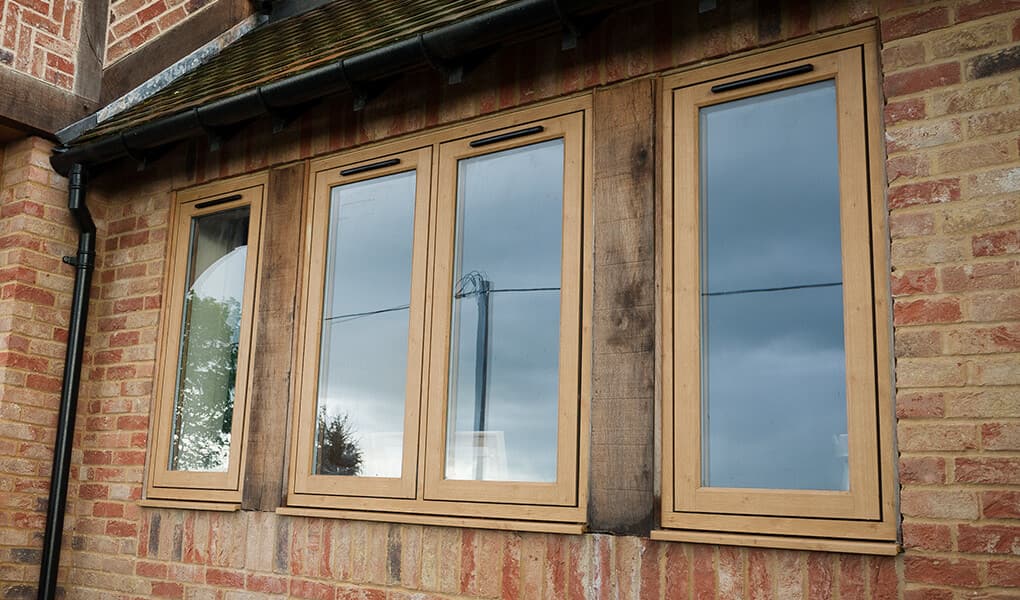
The Residence Collection is one of our most beloved products. It consists of uPVC window frames that effectively replicate the appearance of traditional timber.
You can enjoy intricate graining detail, realistic finishes and elite thermal performance/low maintenance requirements.
Matching Your Style to Your Property Architecture
Choosing the right profile requires looking closely at when your home was built. Applying the wrong design can disrupt a building’s entire visual character.
- Period Homes and Cottages: If you live in a Victorian terrace, Georgian townhouse, or rural cottage in the Buckinghamshire countryside, vertical sliding windows, flush casements or the Residence Collection are ideal choices. They preserve the historical proportions and add a touch of elegance to traditional homes while drastically reducing heat loss.
- Modern Homes: For newer developments built from the 1990s onward, standard uPVC casement windows and tilt and turn options provide a clean, functional look that suits contemporary brickwork and matching French doors or aluminium windows.
The Practical Benefits of Modern uPVC Glazing
Beyond aesthetics, upgrading to modern uPVC windows delivers serious performance upgrades for your home. UK building regulations rightly require strict thermal performance standards to combat household carbon footprints.
Older window designs are a primary source of household heat loss, forcing your boiler to work harder than necessary. Upgrading to advanced double glazing encased in multi-chambered uPVC frames acts as a powerful barrier against the cold. These pockets of trapped air prevent heat transfer, helping you lower your energy bills significantly.
Furthermore, uPVC is fundamentally a low maintenance material. Unlike timber, it will never rot, warp, or require regular sanding and repainting. A quick clean with warm soapy water a couple of times a year is all that is required to keep your frames operating smoothly and looking brand new for decades to come.

Take the Next Step with Premier Windows
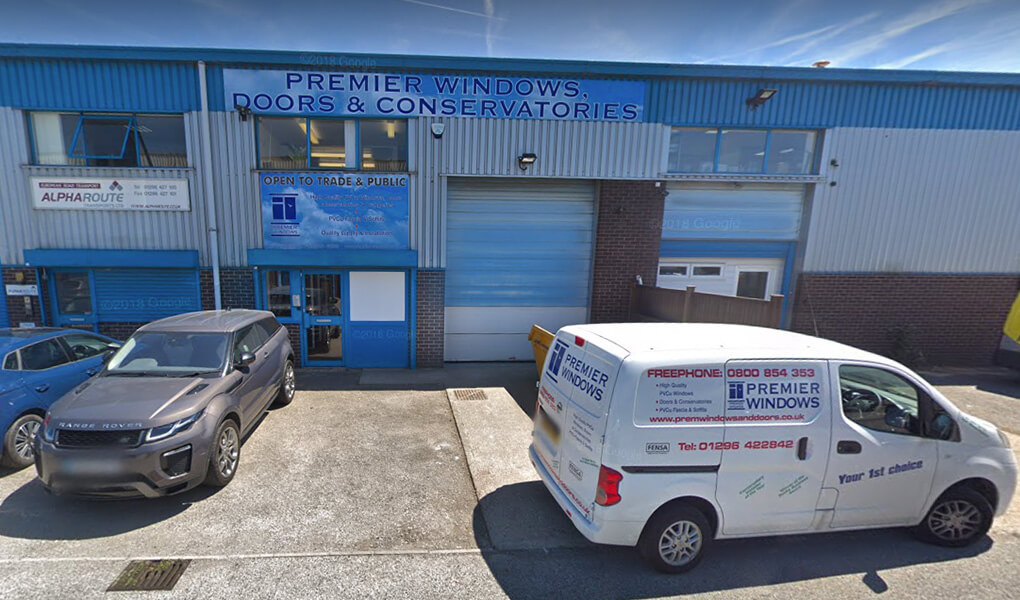
With more than three decades of practical installation experience across Aylesbury and the wider region, our team at Premier Windows is here to help you find the absolute best match for your lifestyle and budget.
We focus on providing clear, honest guidance to ensure you feel completely confident in your home improvement choices.
Get in touch with our friendly team today to explore our range:
- Call Our Office: 01296 422 842
- Email Us Directly: enquiries@premwindowsanddoors.co.uk
- Visit Our Showroom: View our diverse window styles firsthand at our
Showroom
- Connect Online: Ready for a free consultation? Fill out our quick Online Contact Form to start planning your upgrade.
Frequently asked questions
What are the main benefits of uPVC windows compared to traditional timber?
uPVC (unplasticised polyvinyl chloride) offers elite thermal efficiency, low maintenance, and long-lasting durability. The key benefits of uPVC windows over timber include the fact that they never rot, warp, or flake over time, providing exceptional weather protection without high upkeep. The same principles apply for uPVC doors.
Can I install uPVC windows if I live in a conservation area?
Yes. Modern options like flush casements and the Residence Collection mirror authentic timber joinery to preserve the original architectural style of historic properties, making them widely approved across many conservation areas.
Can these window styles be upgraded with triple glazing?
Yes. While standard double glazing provides excellent insulation, upgrading to triple glazing adds an extra layer of thermal retention and improved soundproofing for maximum energy efficiency.